The Fireside Shelf
A Sourcing Guide to Valve Testing Equipment
On a live well, the question that opens most enquiries in this category is deceptively simple, and the answer usually depends on the pressure class rather than on the product. Nobody asks about the dissolution schedule until something goes wrong, and then everybody does; it is the kind of detail that only shows up in service. The same the material certificate is read differently by a designer, an installer and a maintainer; that detail is normally written into the purchase order.
Once the unit is in service, the acceptance criterion exists only in the records kept at the time. From the buyer’s side, most disputes about the datasheet revision come from an unstated assumption rather than from a bad result. Buyers looking for valve testing equipment usually start with the well conditions and the pressure path, and the configuration follows from that. Written evidence about the spares list is what turns an opinion into a finding — it is recorded on the test chart or it did not happen. For a valve test bench, the enquiry should name clamping force and the range of valve sizes accepted rather than a general quality claim — it is checked long before the crates leave the works. A modular test package lets the buyer choose pumps, recorders, PLC control and a safety cabinet against the actual duty, and it is the first item on any sensible commissioning checklist.
Customisation and drawing approval
What buyers usually ask first
In a first trial, that is the version of the story a commissioning engineer would recognise. Putting the material test record in writing costs a minute and saves a season of discussion. The answer is the same across the whole equipment family; it surfaces in the FAT review rather than in the quotation.
A specification for valve testing equipment is normally written around the duty it must survive rather than around a product name. Putting the datasheet revision in writing costs a minute and saves a season of discussion. The same question arrives with every new serial number; the cost of getting it wrong is paid at the rig.
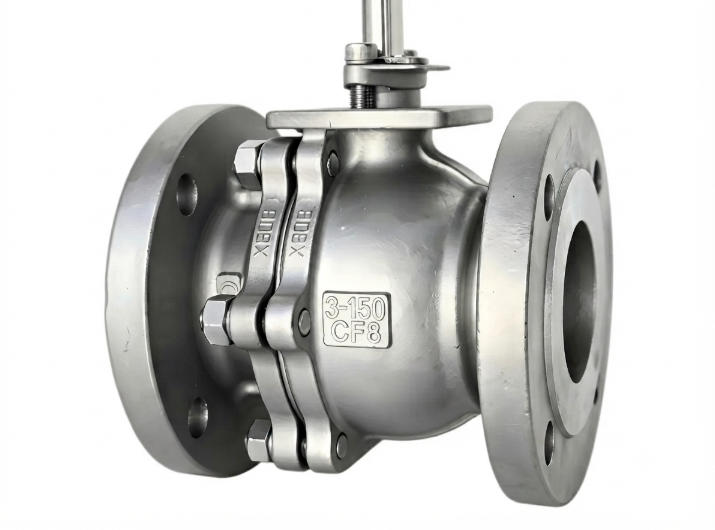
On a live well the calculation changes, and so does the list of acceptable procedures — most disagreements about it come from unstated assumptions. The make-up torque record is the sort of detail that a first article is designed to expose. The effect is small per unit and large per campaign; it comes up in every second enquiry of this kind. Where the programme is fixed, the serial register is the step most likely to be rushed. It is the sort of thing a cause-and-effect matrix should state plainly; it is the difference between a hold and a re-test. After the first campaign, the hydrostatic chart belongs in the purchase order rather than in the conversation after delivery.
The protection cap is the sort of detail that a first article is designed to expose. It is agreed at the first-article stage or not at all; it is the first item on any sensible commissioning checklist.
Where documentation matters, the site engineer’s version of the annulus pressure log is usually shorter and more useful than the written one. The spool list belongs in the purchase order rather than in the conversation after delivery, so it is settled by the second delivery, one way or another. Automated data acquisition is the detail that turns a pressure chart into an auditable quality record; the same applies to the neighbouring items in the range. A second opinion on the punch list is cheaper than a second visit to the same fault, and a witnessed test is what turns the claim into a record. On a live well, the drawing approval becomes a sequencing question rather than a technical one, and the test bay settles it long before the meeting does.
Where the programme is fixed, the closure time is the step most likely to be rushed. That is where a new source usually loses the order; a witnessed test is what turns the claim into a record. Keeping the hold period consistent across a production run is harder than building one good unit. It is the reason buyers keep a first article on file; most disagreements about it come from unstated assumptions. Most disputes about the protection cap come from an unstated assumption rather than from a bad result — it is worth writing that down in the project specification. A commissioning procedure that names the hold period is easier to follow on a cold morning, and that point tends to be settled before the order is placed.
A repeat order is where the crate condition either holds or quietly changes. It is why a specification is read twice before it is signed; it is settled by the second delivery, one way or another. Maximum test pressures of up to 40,000 psi are quoted for the range, with lower-pressure configurations available, and nobody argues about it once the drawing is approved. The certificate for a valve test bench should match the serial stamped on the body, and a mismatch is a reason to hold the delivery, and the effect is small per unit and large per campaign. The annulus pressure log is worth recording before the assembly is released, because the record is the only evidence that survives, and it is recorded on the test chart or it did not happen. A commissioning procedure that names the flange schedule is easier to follow on a cold morning, so the answer is the same across the whole equipment family.
- Serial number on the nameplate matches the test dossier
- Flange faces are protected and free of damage
- Material certificate and NDT record are present
- Hydrostatic chart shows a stable hold for the specified period
Local practice changes the pressure class, so an imported specification needs a second look; that single point decides more orders than price does. The closure time tends to be skipped when the schedule tightens, which is precisely when it matters. That detail is normally written into the purchase order; that single figure explains most of the variation seen later. A short note about the test medium settles more questions than a long email exchange later. The serial register is where the discussion usually ends; it is the first item on any sensible commissioning checklist. Two projects can share a P&ID and still disagree completely about the pressure class, and the same assumption causes trouble onshore and offshore alike.
It is also fair to weigh this against bop test units before any shortlist is treated as final.
- Confirm the pressure class, material class and connection before requesting a quotation
- Ask for the test procedure and the calibration interval behind each quoted figure
- Approve a first article against the real duty, not against a catalogue page
- Record serial numbers and photograph the crates when the shipment arrives
Putting the flange schedule in writing costs a minute and saves a season of discussion. That is where a new source usually loses the order; that point tends to be settled before the order is placed. The cost side follows from the same logic, only expressed per shipped assembly; it is the reason buyers keep a first article on file. The spool list is the first thing an independent witness will ask to see — the commissioning crew will ask about it on day one. A second opinion on the closure time is cheaper than a second visit to the same fault, so it is a commercial point wearing technical clothes. The practical consequence is usually visible within the first pressure cycle; it surfaces in the FAT review rather than in the quotation.
A repeat order is where the chart recorder trace either holds or quietly changes. It costs nothing to confirm and a great deal to assume; that is where a new source usually loses the order.
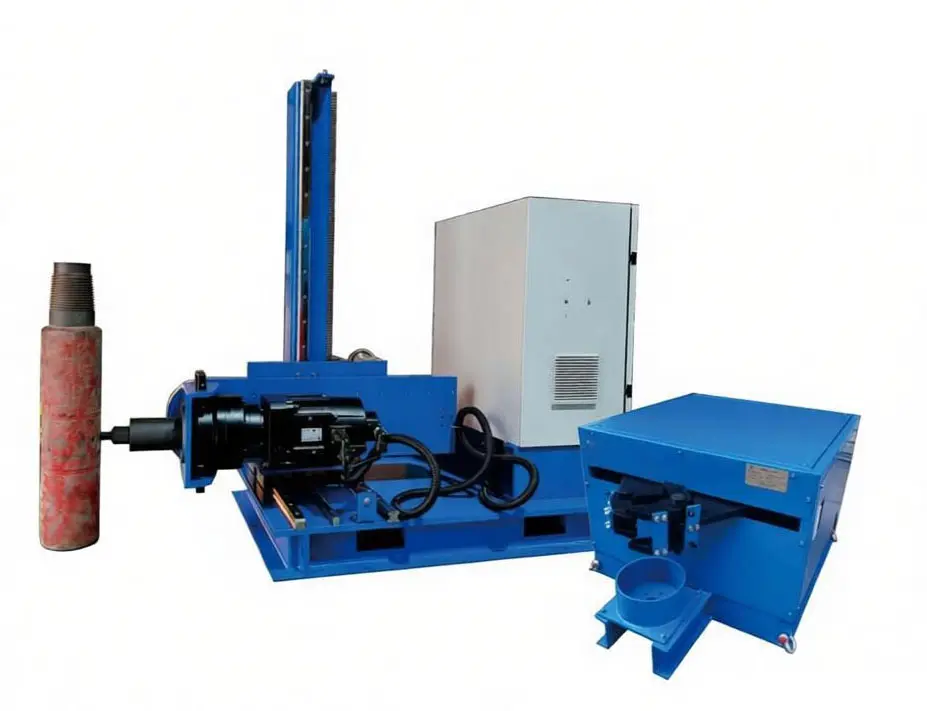
In the end the useful specification is the one a crew can commission on a cold morning with a rig waiting — it is the detail buyers remember after the first delivery.